
Solar PV
Solar PV designed from roof geometry, demand and grid reality.
From home rooftops to commercial assets, design should start with energy demand and site constraints, then model what the system can realistically deliver.
COMPARE SOLAR QUOTES PROPERLY
Panel count is the end of the calculation, not the beginning.
A useful solar proposal should expose the assumptions behind the layout and generation estimate so the client can compare designs on more than headline kWp.
01Roof geometry + shading
Orientation, pitch, obstructions and usable roof area shape both the array layout and the expected generation profile.
02Generation assumptions
Annual kWh is a model. The proposal should make its basis visible rather than present a single unexplained number.
03Grid + inverter architecture
The connection route, inverter configuration and any export-control requirement can change the design even when the roof stays the same.
SOLAR DESIGN STACK
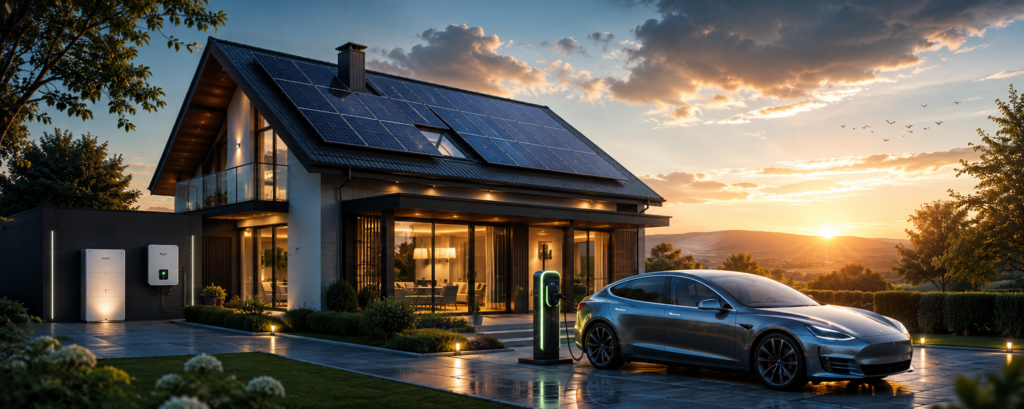
PV performance is a chain of assumptions.
A useful design exposes the variables that create the annual generation estimate and the electrical architecture used to deliver it.
Technical reference: MCS solar PV standards and performance-estimation guidance. Use the current published standard for the final design.
DESIGN CHECKLIST
A solar proposal should make the important assumptions visible.
Panel count is only the visible end of the design. Roof geometry, shading, inverter architecture, generation assumptions and the grid route all affect the final system.
COMMON QUESTIONS
Questions worth answering before the equipment is fixed.
Is a kWp rating the same as annual generation?
No. kWp is the nameplate DC rating of the solar array. Annual generation is an energy estimate in kWh and depends on location, orientation, pitch, shading and system design.
What normally changes a solar generation estimate?
Roof orientation and pitch, geographic location, shading, array layout and system losses all influence the estimate. The assumptions should be visible in the proposal.
Why can the grid route change a solar design?
The generating equipment, aggregate output and proposed export behaviour can affect the connection process. That is why the DNO route belongs in design rather than being left until installation.
SOLAR IN THE REAL WORLD
Roof layout and workmanship affect solar performance.
The survey determines the right solar specification.
Array layout and likely generation should reflect the roof or ground conditions, electrical supply and your consumption.
Space, orientation and shading
Check usable area, roof condition, pitch, structure and shade before settling on module quantities.
Read the assumptions
Projected yield should disclose location, system size, orientation, losses and the method used to estimate annual output.
Plan beyond the panels
Inverter configuration, DNO requirements, commissioning, documentation and monitoring should form part of the design.
CONNECTED ENERGY SYSTEM
Move between the parts of the system without starting over.
Solar generation, storage, EV charging and grid constraints affect each other. Use these routes to keep the project connected.
Get a home solar quote
Planning solar for a home? Compare our example 10-panel and 16-panel setups, then ask for a specification based on your roof and energy use. For a business site, start a commercial enquiry below.