

Sectors
Energy infrastructure shaped around the site.
Different buildings, operating hours and electrical constraints create different design priorities. We start with how the site actually operates rather than applying the same system template to every sector.

SITE TYPE CHANGES THE ENGINEERING
The same technology behaves differently in a warehouse, office, retail site or fleet depot.
Operating hours, roof form, electrical demand and future loads influence which parts of the system create value and where constraints appear first.
01Warehouse + industrial
Large roof areas can be attractive, but structural condition, daytime load, machinery demand and connection capacity still shape the system.
02Office + retail
Operating hours, landlord or tenant responsibilities, car parking and customer-facing EV charging can change priorities.
03Fleet + logistics
Vehicle dwell time, route schedules, charger concurrency and future fleet growth can be as important as solar generation.
SECTOR INPUTS
The building type changes the design inputs.
The useful inputs are practical: demand profile, operating hours, roof or land constraints, access, shutdown windows, fleet plans and network capacity.
OPERATING PROFILE MATRIX
Sector labels matter less than when and how the site uses electricity.
The examples below show how different operating profiles can change survey, modelling and delivery. They are design examples rather than claims about a specific Quantum project.
Roof area + fleet load
Daytime baseload, large roof geometry, vehicle charging and network capacity can interact strongly.
Daytime occupancy
Weekday demand can overlap well with solar generation; parking can add managed EV charging loads.
Trading-hour demand
HVAC, refrigeration, opening hours and customer parking can influence the energy-flow model.
Access windows
Term-time patterns, safeguarding, shutdown windows and public access may shape delivery planning.
Repeatable method
A standard evidence pack makes it easier to compare opportunities while keeping site-specific constraints visible.
Start with the site, not a sales script.
Business survey or homeowner quote — routed to the right questions from the first click.
SECTOR CONTEXT
Different sites create different engineering constraints.
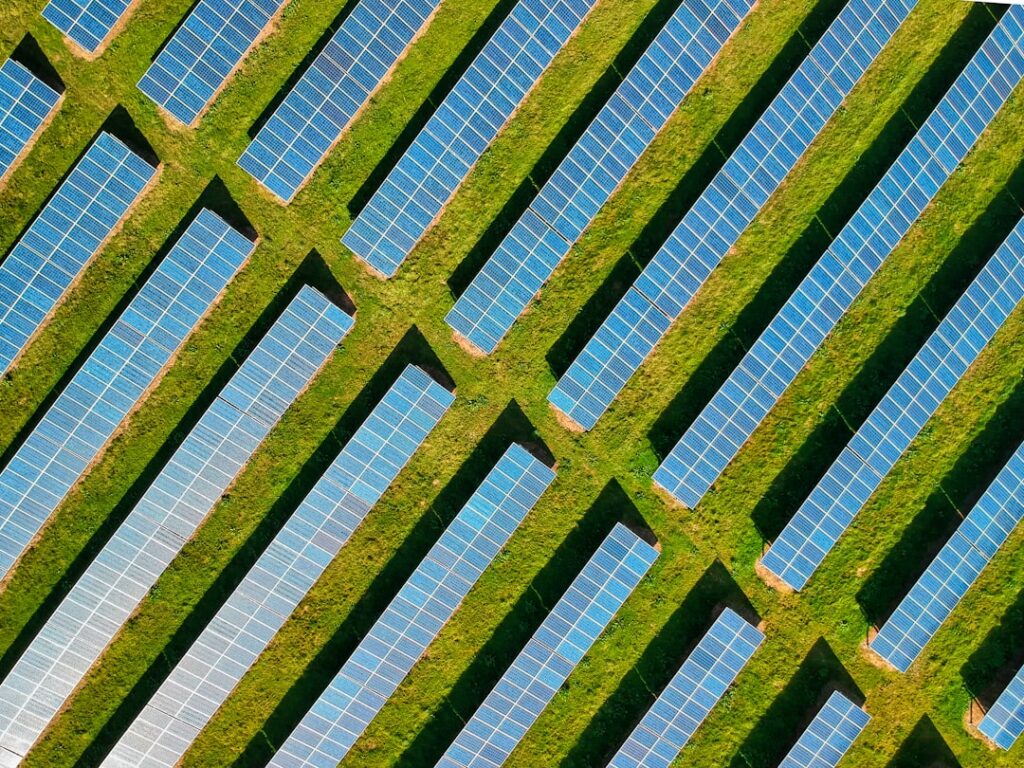
The building and operating hours shape the system.
Warehouses, offices, retail premises and other sites often need different layouts, load strategies and installation programmes.
When is electricity used?
Operating hours and available meter data help assess likely solar self-consumption, battery value and EV charging demand.
Can the infrastructure support it?
Consider roof construction, safe access, electrical distribution, parking and proposed equipment locations.
Keep the business operating
Discuss access windows, electrical shutdowns, site rules and commissioning requirements during the initial survey.
CONNECTED ENERGY SYSTEM
Move between the parts of the system without starting over.
Solar generation, storage, EV charging and grid constraints affect each other. Use these routes to keep the project connected.
NEXT STEP
Planning energy infrastructure for a commercial site?
Tell us how the site operates, what you are trying to achieve and what is already known about the electrical supply.