
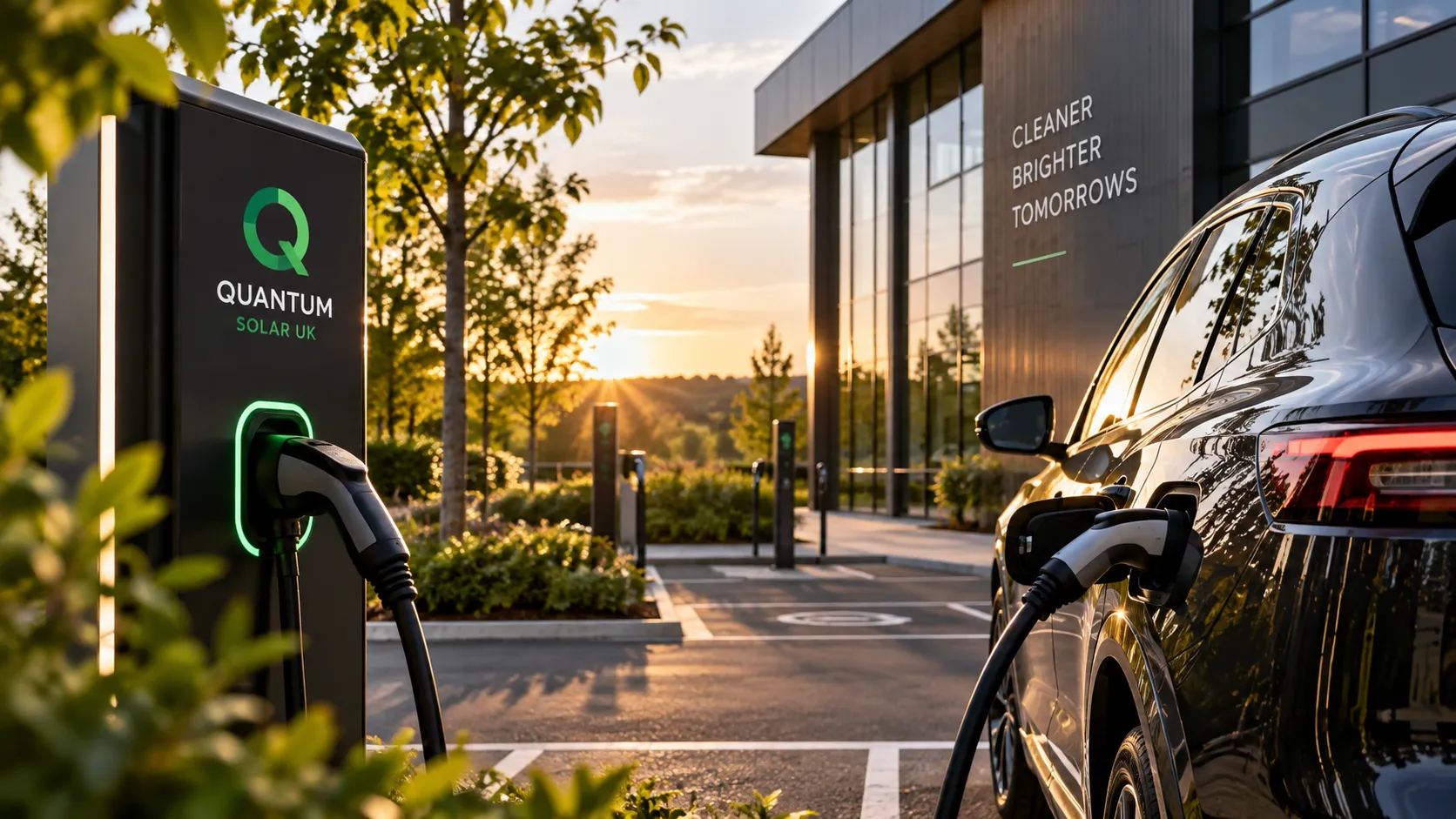
EV charging
EV charging designed as a managed electrical load.
Home chargers, workplace charging and fleet infrastructure can be planned alongside solar, battery storage and site capacity so the whole system works together.
DESIGN THE SITE LOAD, NOT JUST THE CHARGER
The best EV charging layout is the one the electrical supply can support as the fleet grows.
Charger quantity and nameplate power are only part of the problem. Vehicle dwell time, concurrency and load management determine useful charging capacity.
01Vehicles + dwell windows
A vehicle parked for ten hours has a different charging requirement from one turning around quickly. Start with the operational schedule.
02Available electrical capacity
Existing building demand and supply limits determine how much charging can happen simultaneously without unnecessary infrastructure changes.
03Load management + expansion
Managed charging can coordinate multiple charge points and reserve headroom for future vehicles, solar, batteries or other site loads.
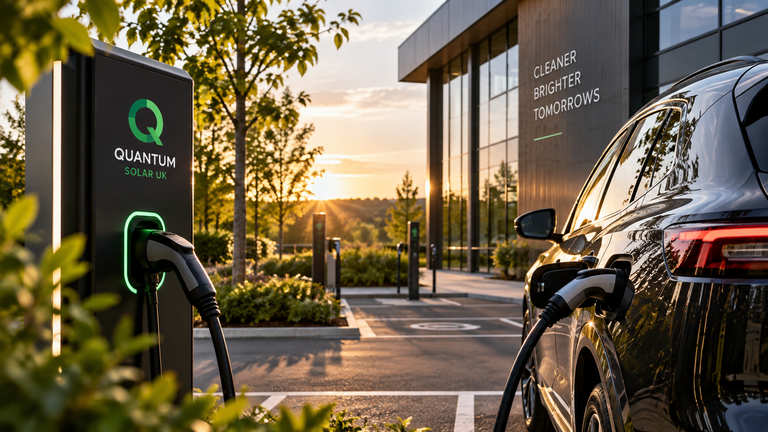
EV INFRASTRUCTURE
Treat charging as a managed electrical load.
Charger count alone does not define an EV project. Capacity, concurrency, dwell time and load management determine how the site behaves.
SYSTEM INTEGRATION
EV charging can change site demand and connection requirements. See Grid / DNO & Smart Energy → and Battery Storage →.
CHARGING LOAD
The charger is only one part of the electrical design.
Home, workplace and fleet charging need different answers, but the same four inputs come first: available supply, vehicle demand, dwell time and the control strategy.
COMMON QUESTIONS
Questions worth answering before the equipment is fixed.
Does a higher-power charger always mean a faster useful charge?
Not necessarily. Vehicle capability, available site capacity, dwell time and load-management rules can all limit the useful charging rate.
What does load management do?
It coordinates charger demand with the electrical capacity available at the site, helping prevent EV charging from competing blindly with other building loads.
Can EV charging work with solar and batteries?
Yes, where the controls and site design support it. The useful question is how generation, storage, building demand and vehicle dwell time interact across the day.
CHARGING IN CONTEXT
Coordinate chargers with the site’s electrical capacity.
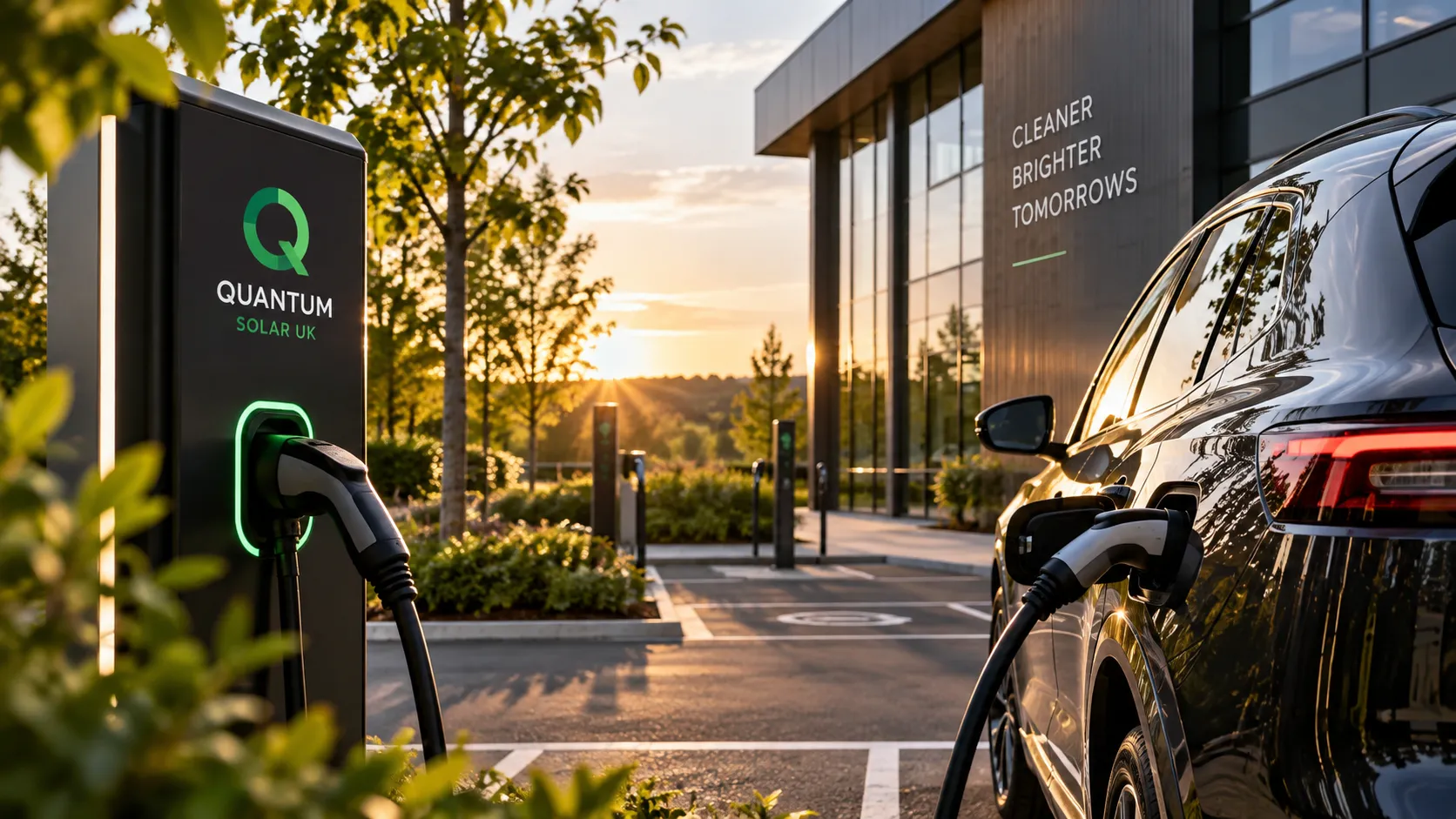
Plan charging around the supply and the vehicles.
Power availability, parking layout and charging behaviour matter as much as the charger model.
Position and supply
Consider parking location, cable route, current electrical capacity, protective devices and possible solar integration.
Manage simultaneous demand
Vehicle numbers, dwell times, charging speeds and diversity determine whether active load management is required.
Commissioning and use
Confirm protection, metering, access arrangements, connectivity and the handover process for the chosen charging setup.
CONNECTED ENERGY SYSTEM
Move between the parts of the system without starting over.
Solar generation, storage, EV charging and grid constraints affect each other. Use these routes to keep the project connected.
Get a home EV charger quote
Planning a complete home energy system? See example solar, battery and Fox EV charger configurations. The charger model, cable route and supply requirements are confirmed for your property.